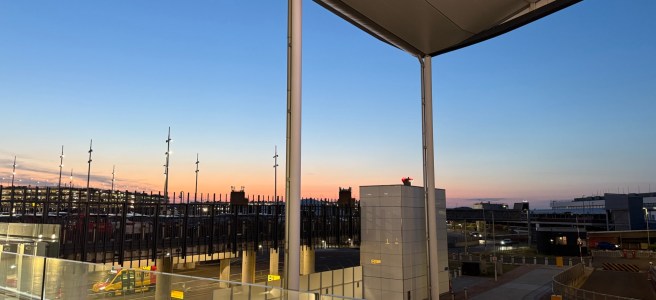
Chris and Chantal have travelled fairly well. This latest trip from New Zealand to the United Kingdom has shown that there are some small things you can do to make a trip more comfortable.
The Airline Matters
Travel is a privileged activity and we both acknowledge that not everyone has the means to spend the money on a luxury trip. However, having travelled both via budget and standard airlines we can definitively say that you will end up paying more by going budget.
This is because the business model for budget airlines is to extract the same dollar value (or sometimes more) through exclusionary tactics. For example, standard airlines will provide water, even on the shortest of trips. Budget airlines will charge anywhere from AUD$3 for a 100ml bottle to AUD$6 for 280ml. It isn’t just water, though. Luggage, seating, food choices – everything on a budget airline is designed to charge you more for something basic.
This is why the investment in a standard airline (and in some cases an upgraded class fare) is totally worth it. It is a greater investment up front but the experience means less stress at the airport and during the transit. This is super helpful when the overall spending budget might be low and you’ve been awake for 24 hours and can’t think properly.
Airport Security is Not Consistent
The last couple of years have seen Chris and Chantal travel mostly between Australia and New Zealand, with Southeast Asia travel to Japan and Hong Kong. Those experiences were all fairly consistent, when it comes to airport security.
You no longer need to cram your carry-on toiletries into a zip lock bag but it is important to keep everything under 100ml. The notable exception to this is for medical necessity. This is where the inconsistency comes in and where Chantal had a poor experience (surprise) at Singapore when transiting to the London leg of the trip.
In Singapore, the “medical necessity” exception does not include Ortho-K lens solution. We were informed that Singapore security requires having both a medical certificate and labels on your items. It’s presumed this requirement is also for baby formula as outlined by Singapore Airlines. Suffice to say, Chantal had to leave her lens cleanser at security in Singapore. This resulted in some relative stress when arriving at Heathrow because the solution is required to ensure Chantal doesn’t get eye infections.
This experience wasn’t entirely preventable either. The lens solution company used to provide a 100ml bottle for travelling but has recently discontinued it. Due to the long-haul flights and the necessity for sleep, Chantal packed the solution on carry-on which was perfectly fine departing from New Zealand and hadn’t been a concern in multiple airports in Australia, Japan and Hong Kong.
A Shower is Lifechanging
As a frequent flyer, Chantal gets perks. The access to the lounge at Changi airport after a 10.5-hour re-eye flight meant that we could relax and spend the 6-hour layover productively. This meant having a shower.
Lounges that have shower will have towels. You just have to ask. It made the next leg of the flight (14 hours) more bearable.
Be Patient: You’re Figuring This Out for the First Time
The best and worst thing about travelling is figuring out how things work. They do work but probably differently. The gap between your understanding of how your world works and how another country gets it done is what we believe culture shock really is. It’s a type of cognitive dissonance which can make it difficult to grow from travel.
So be prepared to get frustrated One of these things was the simple fact there is no pedestrian access from Heathrow to the hotels along Bath Road, along the northern side of the airport. You must take a shuttle or bus. Fortunately, we were assisted by a local who informed us of this and advised us which buses to take. We were in our hotel within the half hour of that conversation.
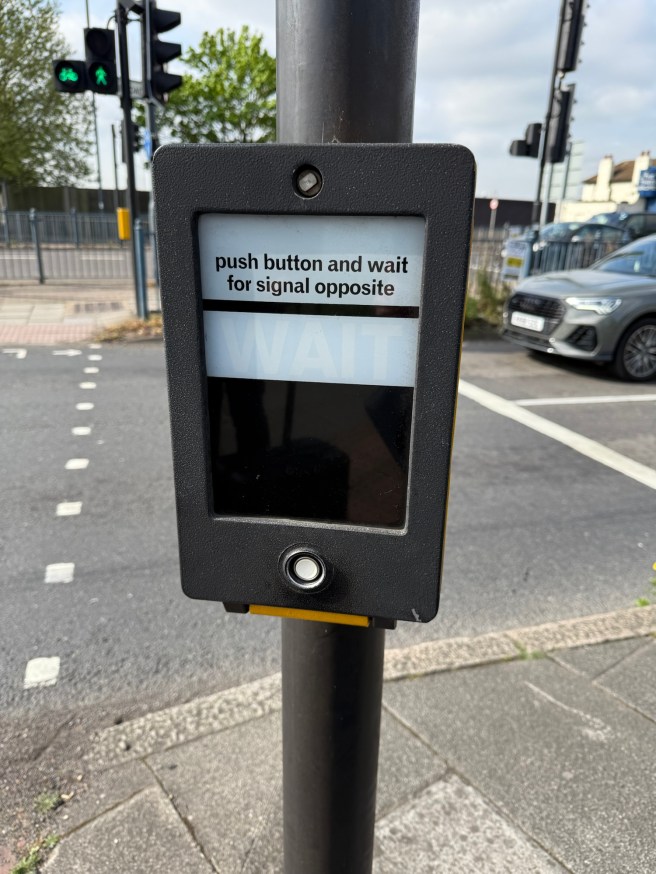
Simple things like crossing the road are also different and can be a source of frustration. This is especially true when jet lagged. There are some (in our opinion) unnecessarily complex ways to get things done. This includes the pedestrian signals. In Australia and New Zealand there’s a simple button. The sound and visual feedback of the ticking noise and the stop and walking person tell you what you need. So far, the experience has been a button but it’s attached to a screen on the traffic light poll and not always in the direction of travel. Yes, it probably got added after the traffic lights were installed but still, that gap, that cognitive dissonance can be very frustrating.

 Chris and Chantal