
Shakespeare’s Theatre
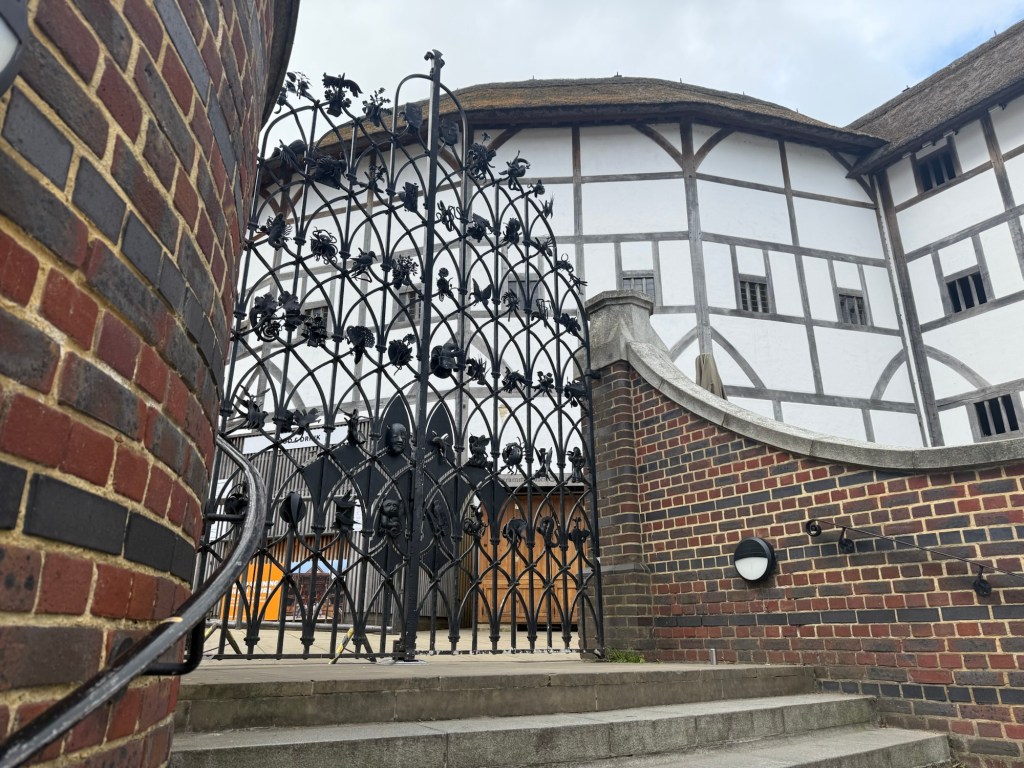
We started our day with a visit to the Globe Theatre. This was a guided tour where we not only got to learn the complex history of the theatre but also the lives and experiences of Shakespeare, the performers, and visitors.
This is the third iteration of Shakespeare’s Globe, with a thatched roof and created to be as close to being a replica of the first Globe as possible. The first Globe theatre had burned down. This is because a visiting baron or other type of aristocrat required an ornate ceremonial celebration of their visit to the Globe. So the actors fired a cannon from the roof of the theatre. The thatched roof… so of course it caught fire after the cannon was fired. The second Globe theatre had a much more cannon-friendly design with a tiled roof. It had been dismantled after being shut down during a puritanical era in London’s history.
We were unable to take photos of the stage itself as the technical rehearsal was being conducted for the Crucible.


Borough Markets
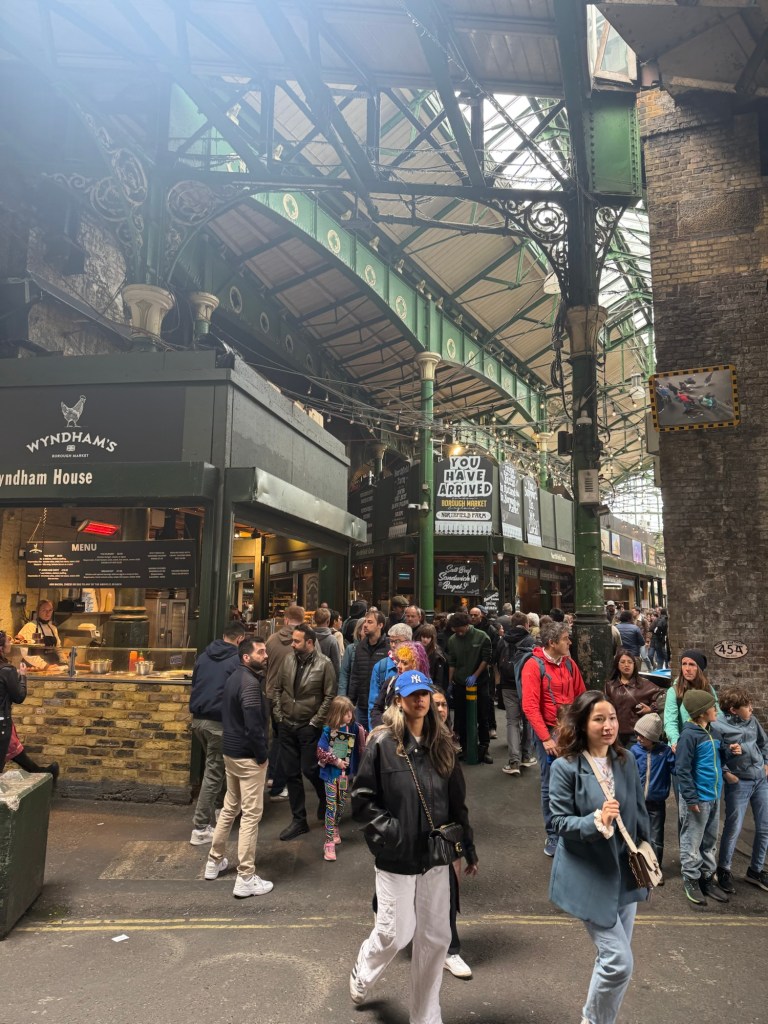
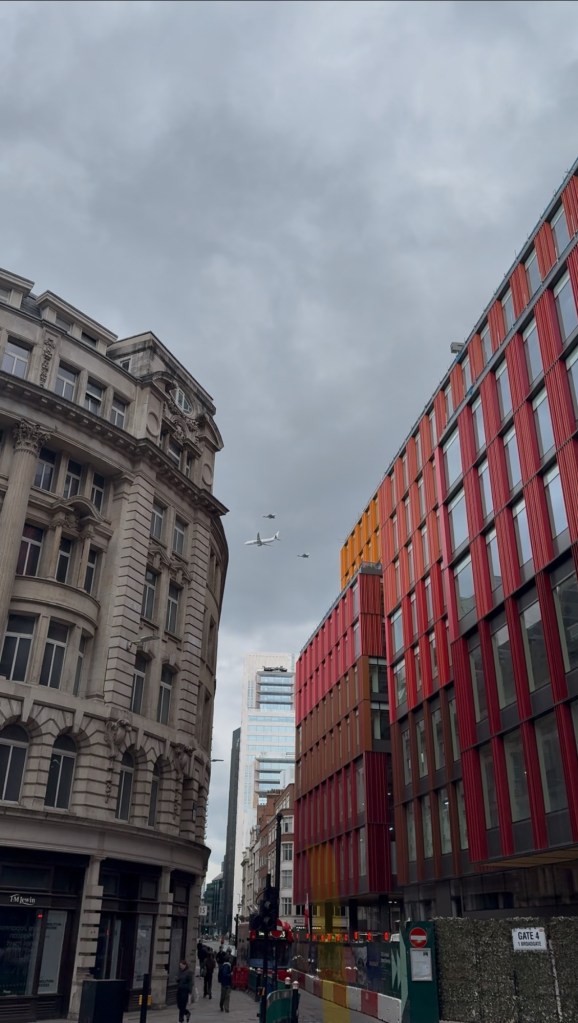
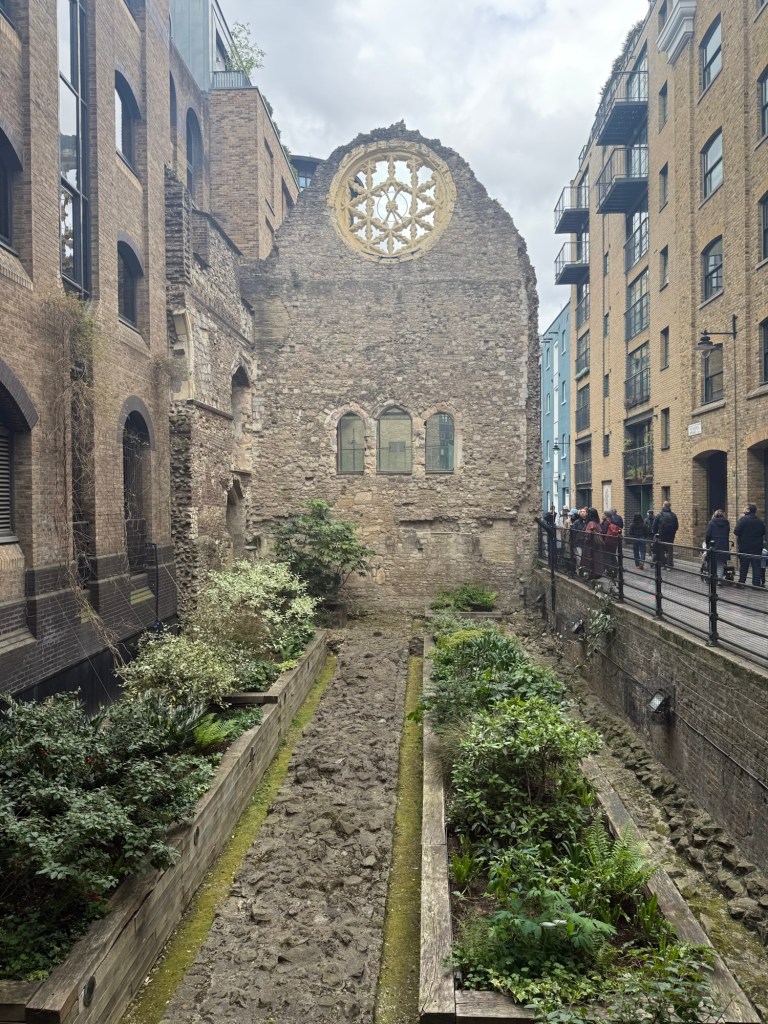
Our next big event was going to the Royal Observatory of Greenwich but we had a bit of time to spare. We had heard from our friend Julius that there was a big celebration of VE Day and there was going to be a flyover. So we had stayed around the area of the Globe Theatre and explored the now bustling Borough Market area.
These expansive markets sit underneath the train line with vendors selling anything from fruits, meats, cheeses, baked goods. We bought some lunch (one of the best sausage rolls we’d ever eaten and some chocolate covered strawberries).

Royal Observatory of Greenwich
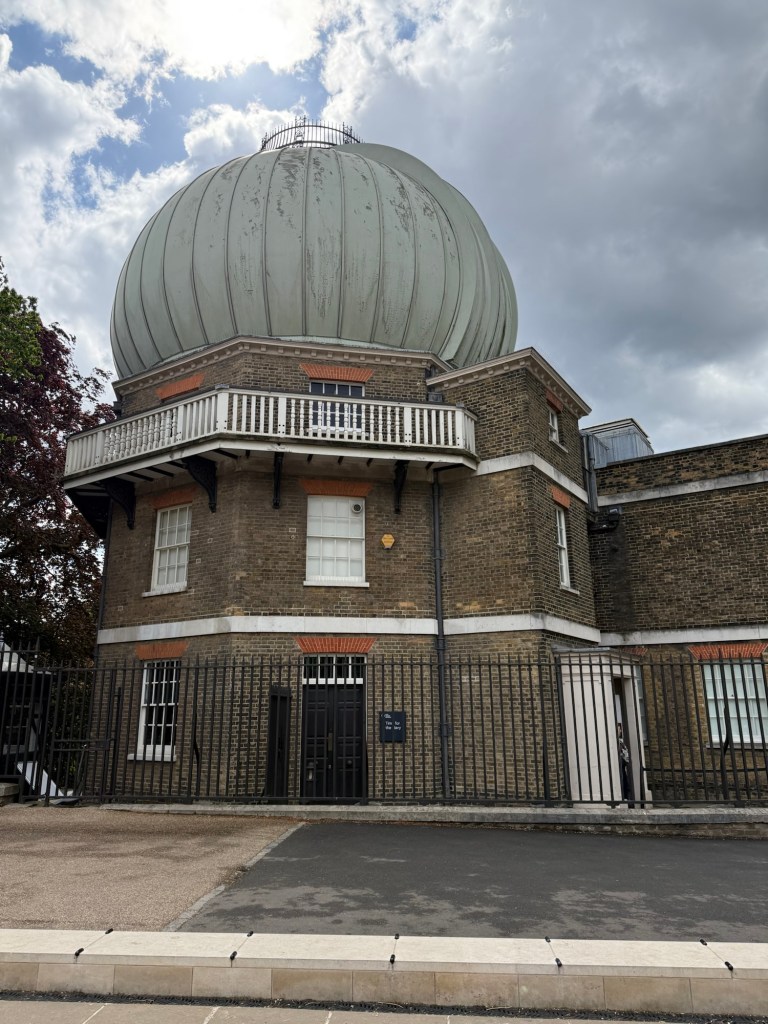
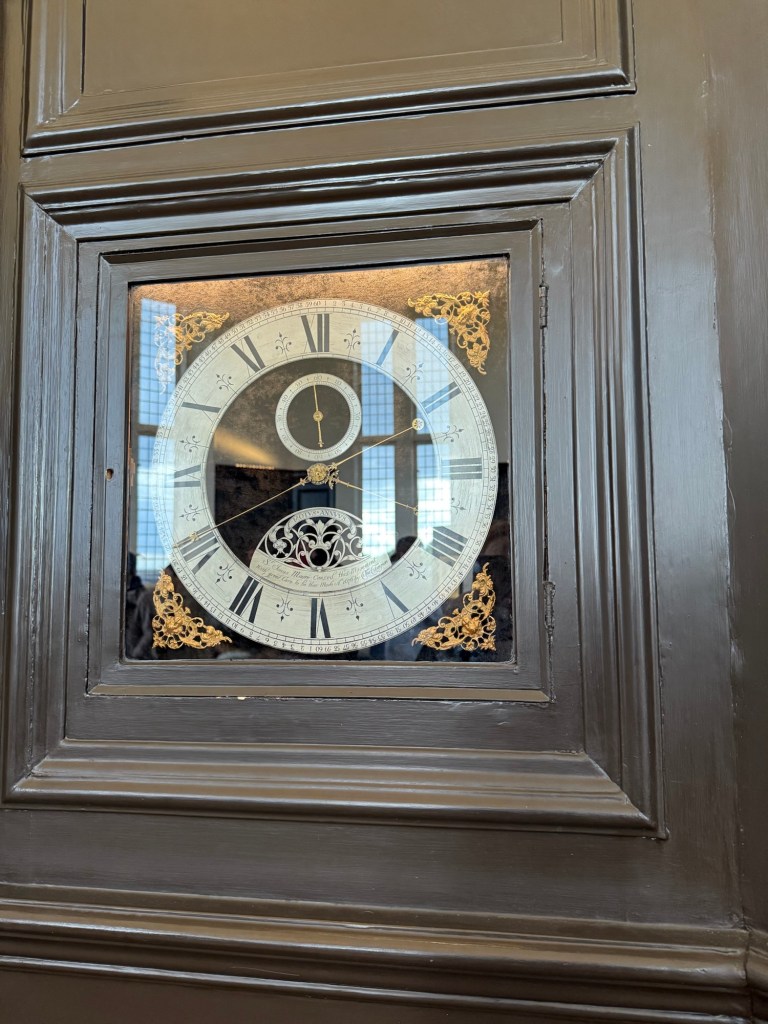
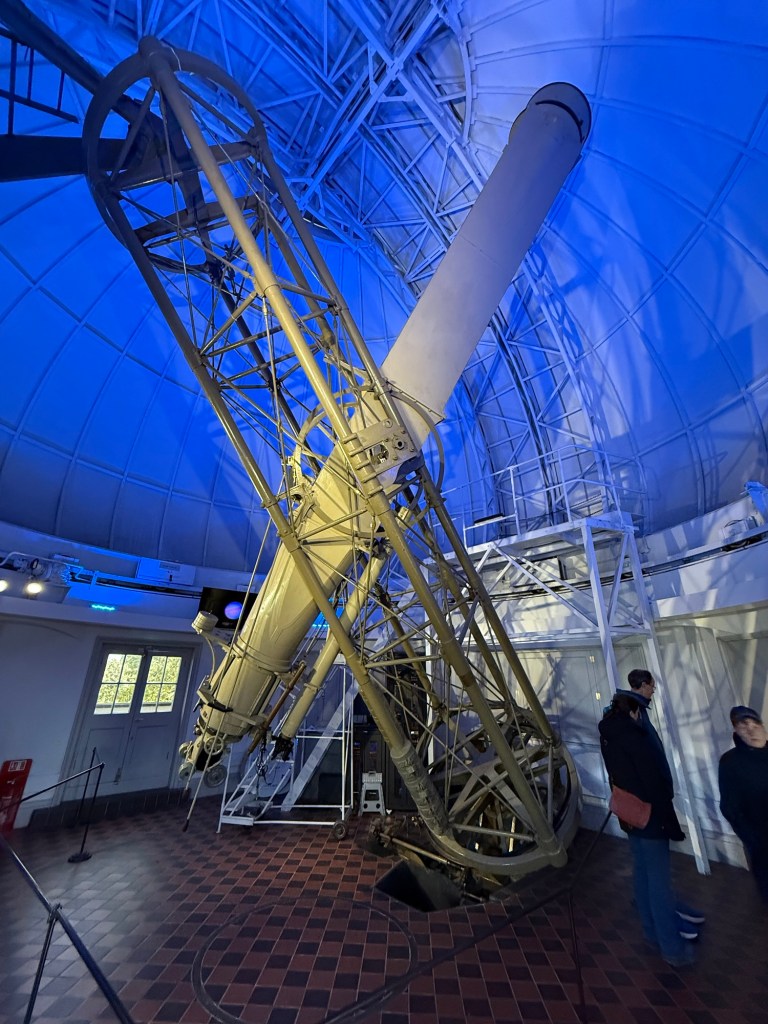
We finally made our way to the Royal Observatory. The observatory is significant as it is host to the Prime Meridian, the longitudinal geographic start of all time zones. Not only is it an interesting museum to learn about time, naval navigation and the lives of the Royal Astronomers, it is full of telescopes and clocks.
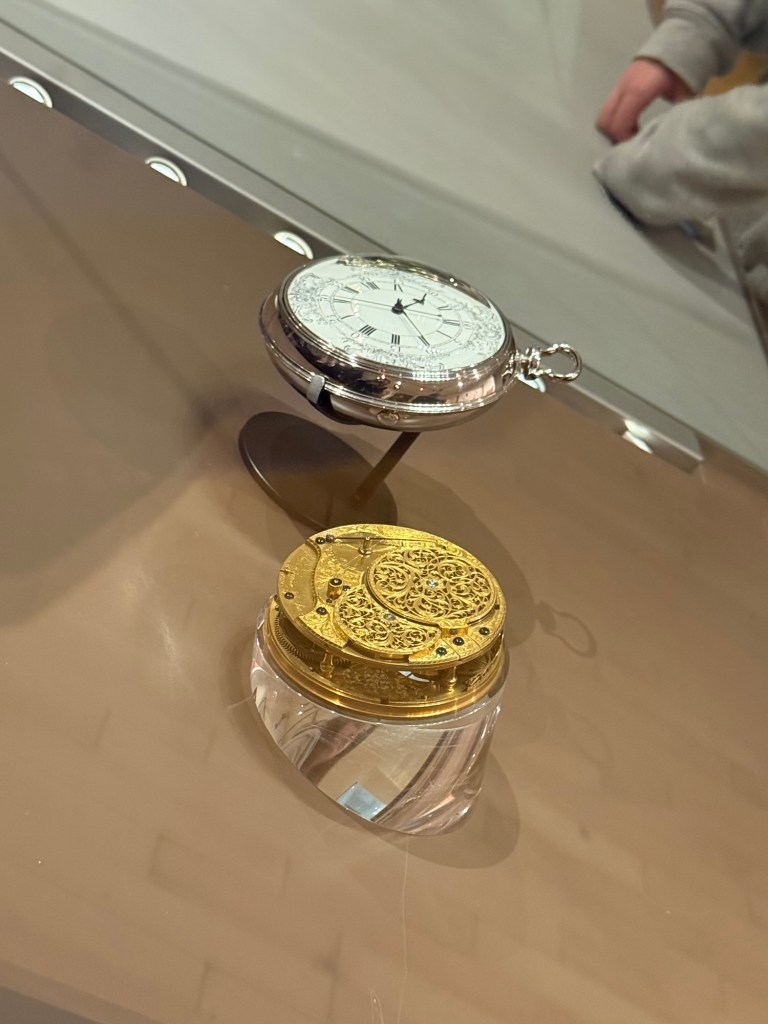
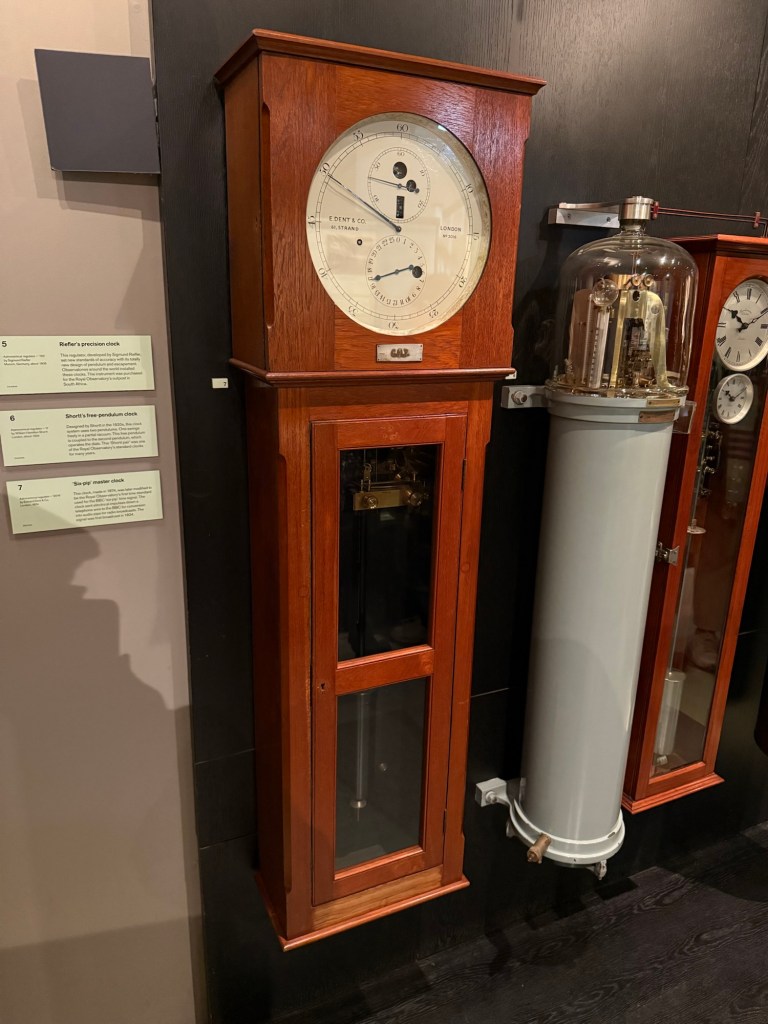
Prior to 1761, we didn’t have an accurate way to tell time. In agrarian societies, time is counted via the sunlight hours and in UK, those working the fields were given notice of their work times and stops via church bell. This changed with both factory work and better lighting that required society to have more consistent routines across the whole year. This is because light hours are shorter in winter than summer but non agricultural work required consistent working hours.
When sea exploration and trade took off in the late 17th and early 18th centuries, there became an increasing need for accurate time keeping as a way to have more accurate navigation. There were two aspects to this – better accuracy of the moon, sun, and star movements, as well as keeping time as a way to track how far ships sailed away from the Prime Meridian.

Finishing up the Day
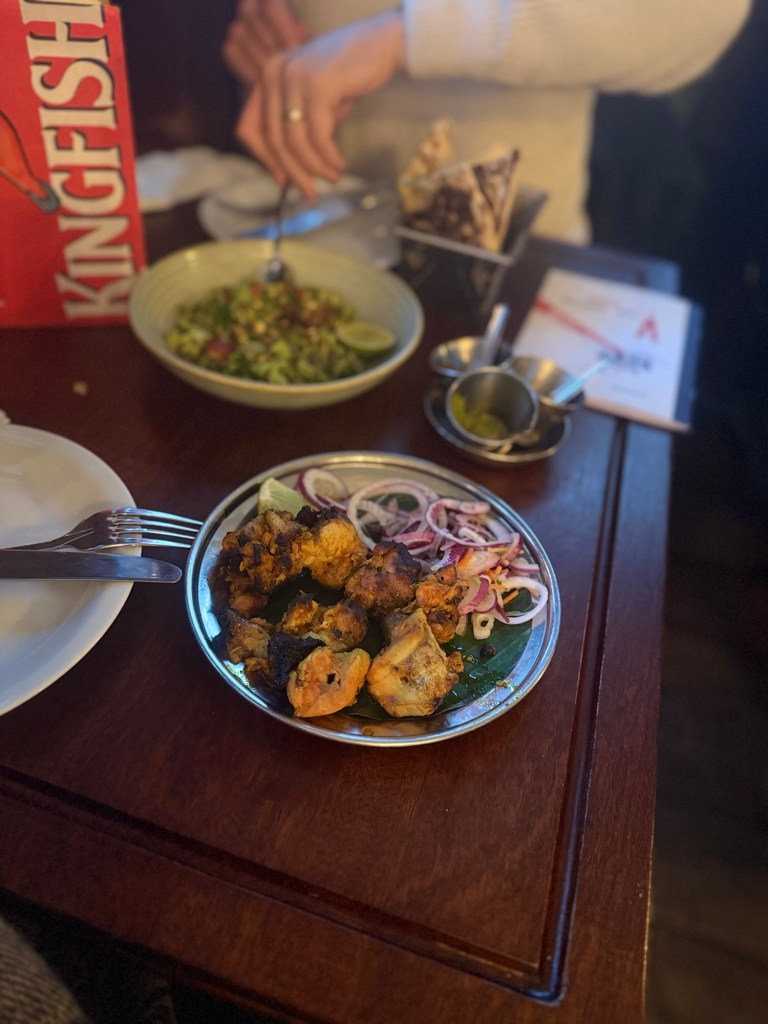
We finished up at the observatory and wandered around the streets. We had dinner at an incredibly artistic and popular (a waiting line of about 30 mins) restaurant called Dishoom serving Bombay-style food.
We went back to the hotel to pack and prepare for our long journey back home.
This experience has been a long time coming (originally planned for 2020) and we’re so happy that we finally go to do it.
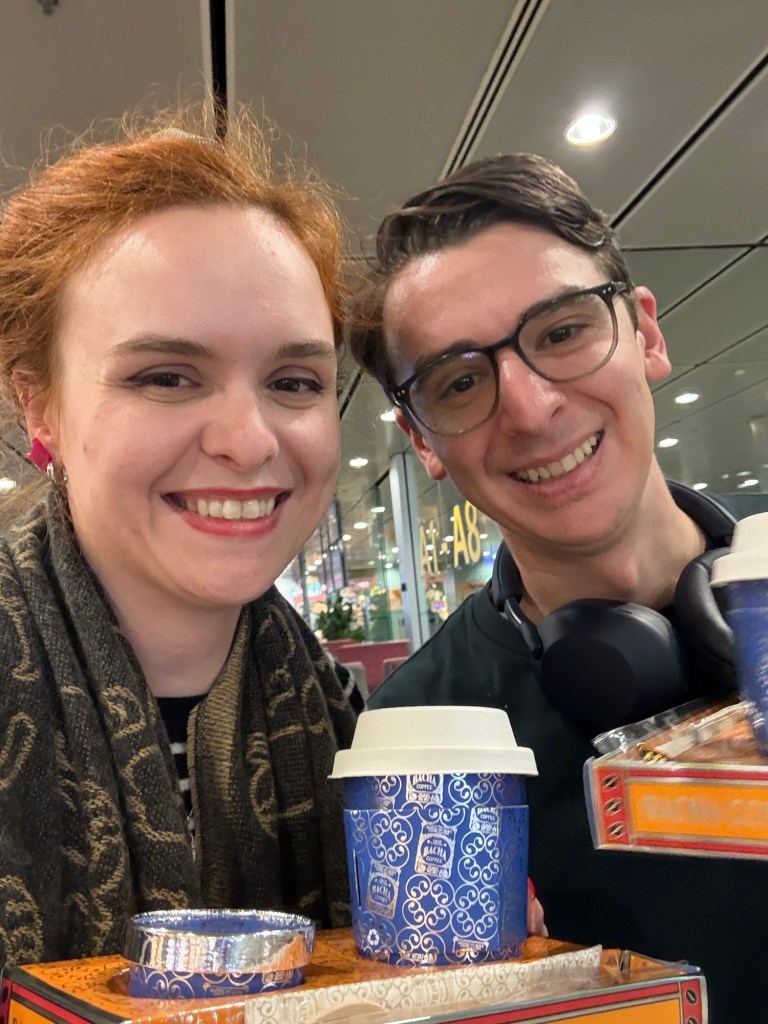

 Chris and Chantal